
Let me start with a confession….
I’ve always been a picture-learner first. Long paragraphs? A big NO! But show me a clear diagram, a detailed illustration or a thoughtfully designed visual, and everything starts making sense instantly. Growing up, many of us didn’t have a name for this learning style; we knew that flipping through big, colorful encyclopedias felt far more exciting than plain textbooks. That sense of wonder is hard to forget. And even today, with information available at the tap of a screen, illustrated encyclopedias continue to hold a special place, especially for visual learners who grasp concepts more effectively through infographics.
So, if you or someone you’re buying for learn best by seeing, let me walk you through a carefully curated list of the best illustrated encyclopedias for visual learners: books I genuinely believe are worth flipping through, page by page. Each one offers something unique, visually rich, and engaging enough to make learning feel less like a task and more like a habit, bringing knowledge to life through powerful illustrations, clear layouts, and thoughtfully designed visuals.
Table of Contents
Why are Illustrated Encyclopedias perfect for Visual Learners?

Before diving into recommendations, it’s important to understand why illustrated encyclopedias work so well for visual learners. Some people simply don’t learn best through long, text-heavy explanations—thoda overwhelming ho sakta hai. Visual learners process information faster and more effectively when concepts are presented through images, diagrams, charts, and infographics. That’s where illustrated encyclopedias truly shine.
By breaking down complex topics into clear, visual formats, they simplify difficult ideas, improve memory retention, and naturally encourage curiosity-driven learning. Learning stops feeling like “studying” and starts feeling more like exploration. Simple words mein—agar dikh raha hai, toh samajhna easy ho jaata hai. You don’t need to read cover to cover—just open a page, follow the visuals, and let your interest lead the way. And most importantly, these encyclopedias allow you to learn at your own pace, without pressure, which is exactly what makes them so effective.
With that in mind, here’s a carefully curated list of the Top 10 Image-Rich Encyclopedias that help Visual Learners understand faster:
1. DK Children’s Encyclopedia: The Book That Explains Everything

If there’s one name synonymous that defines illustrated learning, it’s DK (Dorling Kindersley). They’ve perfected the art of turning big, complex ideas into something simple, visual, and genuinely enjoyable to explore. The DK Children’s Encyclopedia is a brilliant starting point for curious readers, especially those who learn best through images.
Every page is packed with colorful photographs, clear diagrams, and short, easy-to-digest facts. Topics like science, space, history, technology, and nature are organized in a way that never feels overwhelming.
You can flip to any page, learn something new, and move on—bas ek page kholo, dekho, padho, samjho. What really stands out is how approachable the book feels. It encourages self-learning without demanding long reading sessions, making it perfect for kids aged 7–12, teens, and even adults who enjoy visual learning.
Why visual learners love it: the layouts are clean, images do most of the talking, and information is broken down into engaging, memorable bits that make learning feel effortless.
Best for: Ages 7–12 (and curious adults!)
Why it works: Strong visuals + bite-sized facts
👉 Explore similar DK encyclopedias on Booksopedia
2. The New Children’s Encyclopedia (DK)
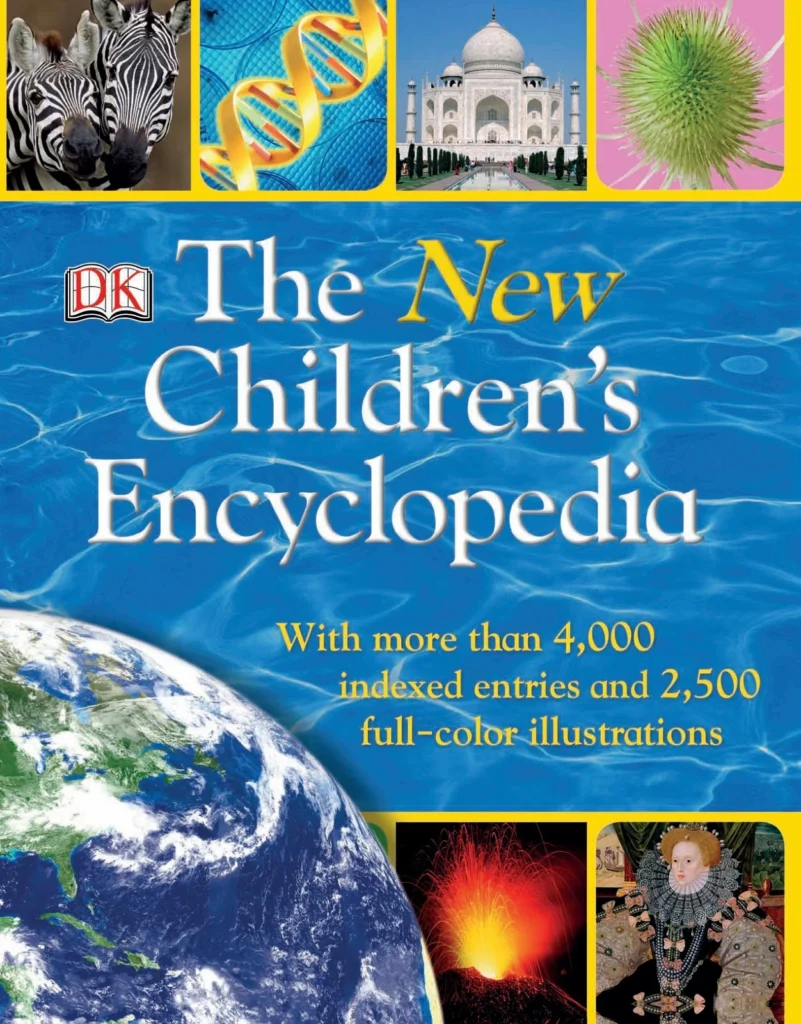
Yes, another DK classic…and for a good reason. This is a modern and polished take on the classic encyclopedia. The New Children’s Encyclopedia elevates learning with high-quality photographs, clean infographics, timelines, fact boxes, and quick “Did You Know?” snippets that actually stick.
Everything is thoughtfully designed to make learning feel intuitive. One topic flows naturally into the next, and before you realize it, you’ve learned far more than you planned—achhi wali distraction.
With over 250 topics covering everything from the universe and science to human biology, each page feels like a mini science museum exhibit. What makes it especially powerful for visual learners is how clearly ideas connect. You don’t have to push through long paragraphs; you can literally see how concepts relate, making understanding faster and more enjoyable.
Best for: Ages 8+ and anyone who prefers visuals over text-heavy explanations.
Pro tip: Keep it on your desk: it’s perfect for those curious, five-minute reading breaks.
3. National Geographic Visual Encyclopedia
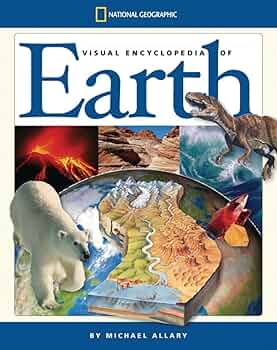
When it comes to breathtaking visuals, National Geographic sets the gold standard and this encyclopedia lives up to that reputation. It covers everything from the natural world and space to human history and technology.
What really sets it apart is the photography. Every page feels like a journey through time and space, whether you’re looking at the texture of volcanic rock, the delicate wings of a butterfly, or stunning satellite images of Earth. The text complements the visuals, which is ideal for visual learners who prefer context without information overload.
This encyclopedia feels more mature and detailed, making it especially appealing to teens and adults who love learning through visuals but also want depth. Sach kahun toh, it’s the kind of book you keep on your coffee table—flip through it casually, and you’ll still walk away having learned something new.
Why visual learners love it: the immersive photography connects ideas to the real world, making learning feel natural, engaging, and memorable.
Ideal for: Nature lovers, students, and lifelong learners
Perfect for: Visual learners who enjoy depth with clarity
👉 Browse National Geographic collections on Booksopedia
4. Smithsonian’s Children’s Illustrated Encyclopedia
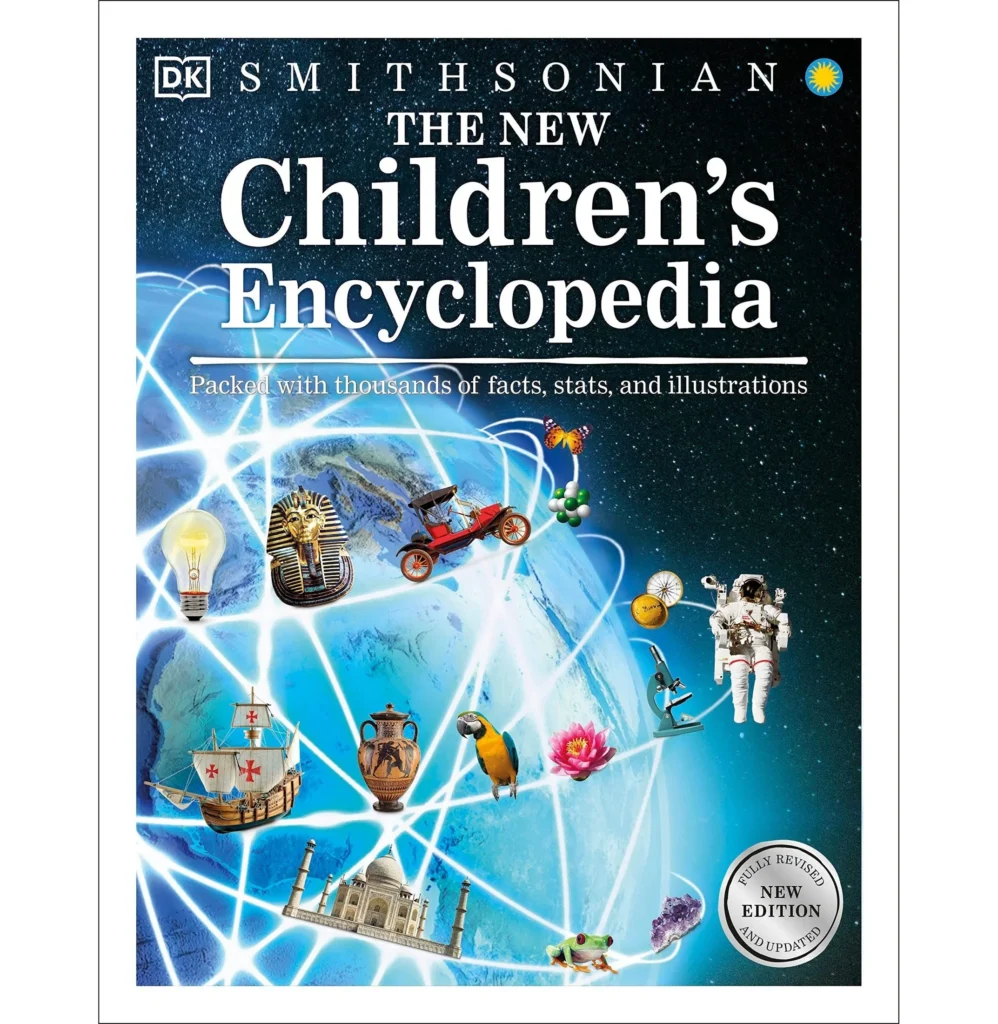
Published in collaboration with the Smithsonian Institution, this illustrated encyclopedia feels like stepping into a museum—slowly, curiously, and full of wonder. What truly sets it apart is its storytelling approach.
Instead of simply listing facts, each topic unfolds like a visual narrative, blending photographs, 3D illustrations, and elements inspired by real museum exhibits.
It doesn’t just show what something is; it explains why it matters. Whether you’re exploring how ancient civilizations built their cities or how the human body fights disease, the concepts are explained with vivid visuals and clear, simple language. The visuals here actively guide the learning and help connect ideas naturally.
Backed by the Smithsonian’s well-researched, trustworthy content, this encyclopedia is ideal for readers aged 9+ who enjoy learning with context rather than quick facts.
Best for: Curious readers who like depth, meaning, and visual storytelling.
Bonus: It makes learning feel thoughtful and meaningful
5. Factopia by Kate Hail and Andy Smith
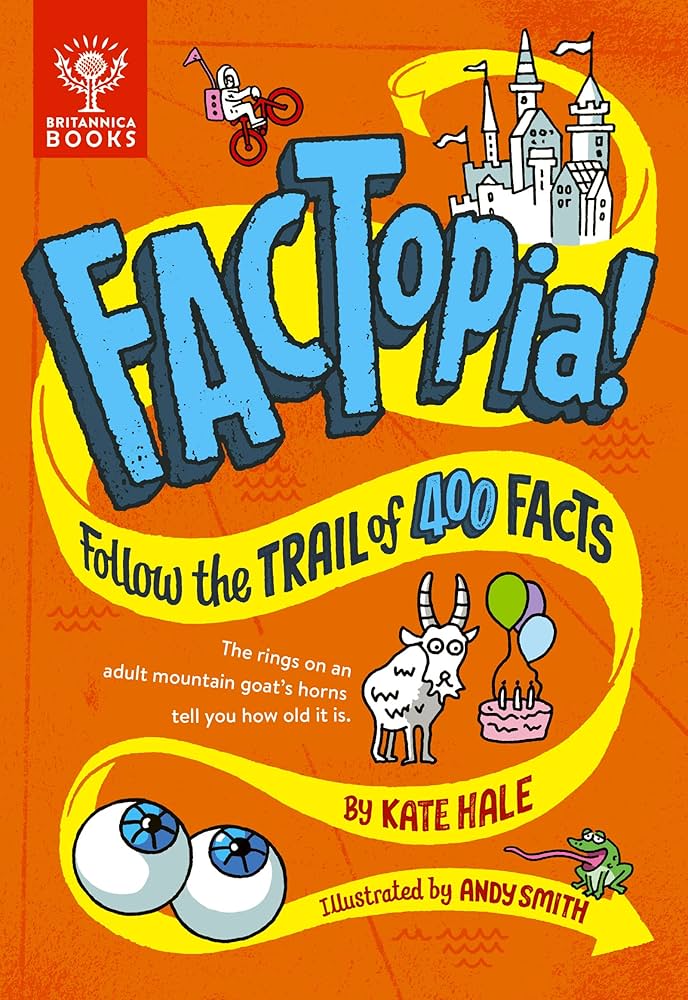
FACTopia is not your typical encyclopedia—it’s an interactive journey through over 400 fascinating facts, all carefully verified by Encyclopaedia Britannica. What makes this book stand out is its clever, connected structure. Each fact leads seamlessly to the next, creating an engaging trail of information that encourages curiosity-driven exploration.
From learning that a squid has a doughnut-shaped brain to discovering why some butterflies drink turtle tears, the book takes readers on unexpected and often hilarious detours. You might jump from space to dinosaurs, from ancient Rome to robots, or even uncover surprising connections between a giraffe and the Eiffel Tower, or Cleopatra and a slice of pizza.
The variety of topics—ranging from science, history, and space to animals, inventions, and ancient civilizations keeps every page fresh and exciting. There’s no single way to read FACTopia. The book allows readers to choose their own path, with branching trails that invite them to hop between related topics. This non-linear format makes learning feel playful rather than structured, helping facts stick naturally.
With its witty illustrations, bite-sized content, and child-friendly tone, FACTopia is an excellent illustrated encyclopedia for children aged 8–12. It’s perfect for young readers who love discovering strange facts, asking “why,” and learning through fun visuals. As a gift or a learning companion, this encyclopedia proves that knowledge can be surprising, engaging, and genuinely entertaining.
Why Booksopedia Recommends Illustrated Encyclopedias
In an age where Google answers everything in seconds, learning has become fast—but also fragmented. Screens are full of notifications, ads, and endless tabs pulling attention in every direction. Illustrated encyclopedias offer the exact opposite: focused and distraction-free learning.
At Booksopedia, we curate encyclopedias that:
- Encourage curiosity
- Support visual learning
- Are age-appropriate and reliable
- Make learning enjoyable, not stressful
Because learning should never feel forced. Jab learning enjoyable hota hai, tab hi consistent hota hai.
For visual learners, especially, this makes a huge difference. Instead of skimming information, you engage with it. These books are carefully curated, providing context rather than random facts. Each page is designed to guide curiosity through diagrams, illustrations, and visual storytelling allowing concepts to unfold naturally.
There’s also something powerful about physical learning. Turning a page, studying a detailed illustration, and visually connecting ideas help information stay longer in the mind. You don’t just memorize facts—you understand them. And sometimes, that quiet moment of discovery brings a simple realization: “Achha, toh yeh aise kaam karta hai.”
Final Thoughts
Whether you’re helping a child discover the world or rediscovering your own curiosity, these books do more than share facts—they build understanding. We believe learning should feel natural, engaging, and enjoyable—not forced or overwhelming. That’s exactly why illustrated encyclopedias continue to be some of the most powerful learning tools for visual learners across all age groups.
Rich visuals, thoughtful layouts, and well-curated content make learning calm, enjoyable, and memorable. You don’t need to read them cover to cover. Even flipping through a few pages can spark curiosity and create moments of wonder.
There’s also something special about how these books fit into everyday life. Keep one on your study shelf, coffee table, or bedside. Open any page, and you might find yourself fascinated by Saturn’s rings, a medieval castle, or a beautifully illustrated diagram that makes you pause and think. That’s the magic of visual learning—it stays with you.
Illustrated encyclopedias aren’t old-fashioned. They’re timeless. For visual learners—and for anyone buying for one—they remain a meaningful investment in lifelong learning. So go ahead, pick one up, open any page, and let curiosity lead the way.
Kyunki learning tab sabse accha hota hai, jab woh effortless aur natural feel kare.