
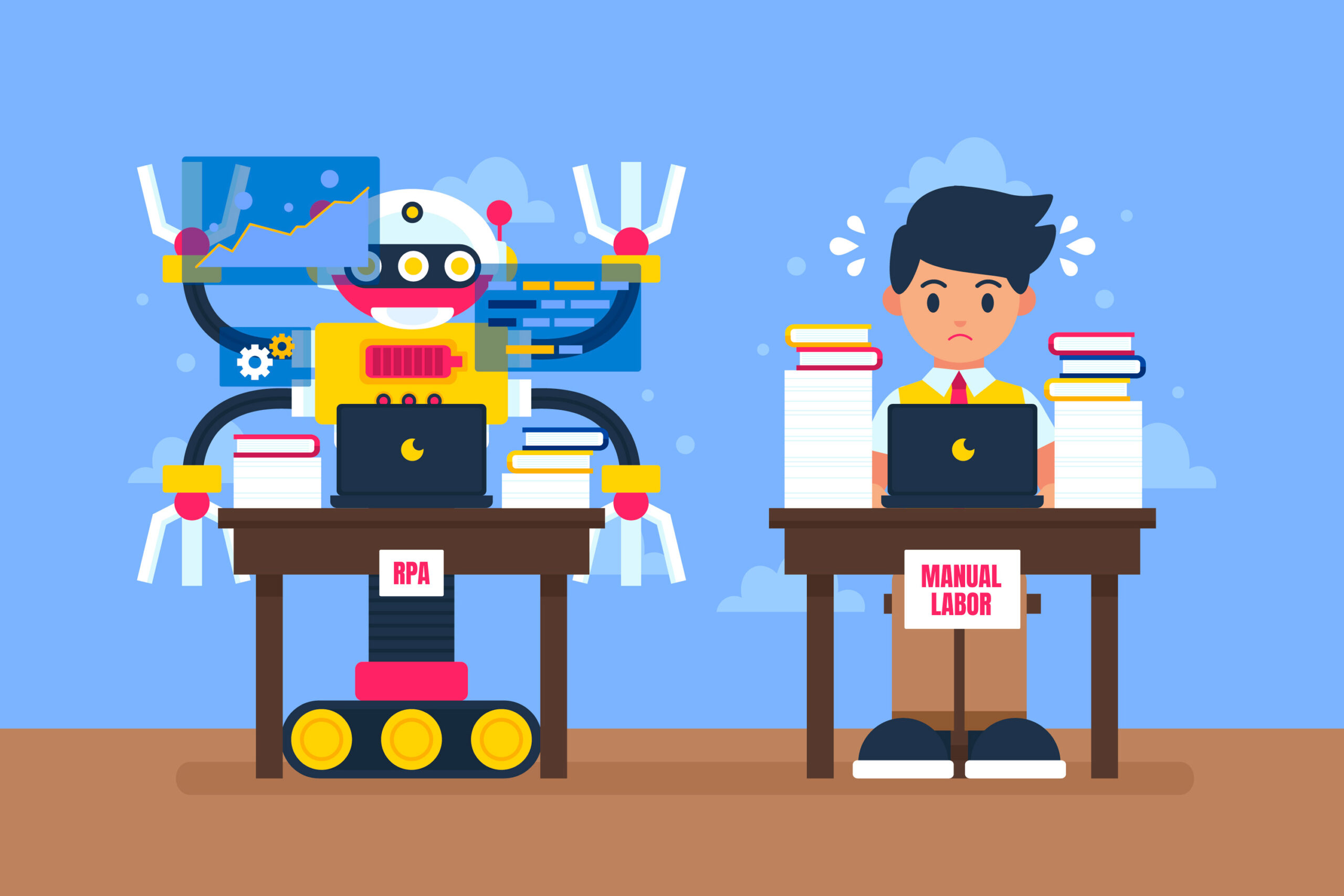
We live in a time where answers arrive faster than questions. It’s easy to wonder whether traditional encyclopedias still have a place in our lives with AI responding in seconds. Why flip through pages or ebooks when a chatbot can explain anything instantly? But speed and knowledge are not the same thing. And when we look closer, encyclopedias may just be surviving in the age of AI and are more important than ever.
Each article in a traditional encyclopedia was written by subject experts, reviewed by editors, and fact-checked meticulously. This process took time, but that was the point. Knowledge was something you built, not something you skimmed. If you wanted to understand ancient civilizations, you didn’t just read a paragraph; you explored timelines, maps, illustrations, and cross-references that added depth and context.
Table of Contents
How Did We Search for Knowledge Before AI?
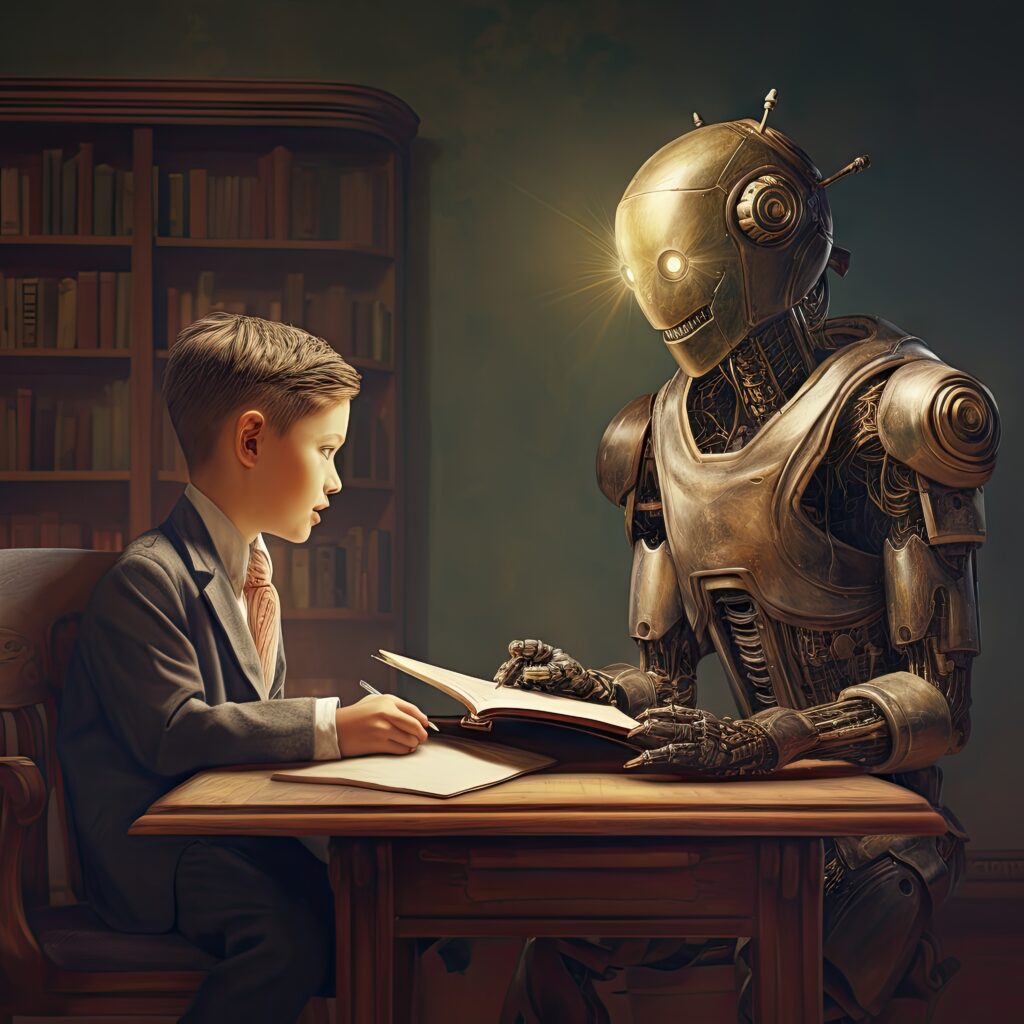
Long before AI tools entered our browsers and phones, encyclopedias were the backbone of reliable information. For generations, households proudly displayed sets of Encyclopedia Britannica, World Book, or region-specific reference collections as these books were not just sources of facts; they were symbols of learning, curiosity, and trust.
As the internet reshaped how information is accessed, encyclopedias evolved rather than vanished. Traditional authorities like Encyclopedia Britannica transitioned to digital platforms, while Wikipedia emerged as a new, collaborative model of knowledge sharing. Though community-driven and freely accessible, Wikipedia established rigorous citation standards and editorial moderation to ensure accuracy and transparency.
Together, these platforms reinforced a core principle of encyclopedic knowledge: information must be structured, verifiable, and reliable. More than simply providing quick answers, modern encyclopedias continue to support deeper understanding through context, sources, and organized learning—proving their relevance in the digital age.
There was also a sense of discovery. You didn’t just look for one answer; you learned around it. One topic led to another, and learning felt deeper, not rushed.
What AI Does Well (Why its so popular?)
There’s no denying that AI tools such as ChatGPT, Gemini, and Perplexity have changed how we interact with information. They are fast, conversational, and incredibly accessible. Ask a question, and you get an answer instantly, often explained in simple language.
AI excels at:
- Delivering instant responses
- Explaining concepts in simple conversational language
- Summarizing long topics quickly
- Helping users brainstorm ideas
Ask an AI tool, “What caused World War I?” and you’ll receive a clear, readable overview within seconds. For students, professionals, and curious minds alike, this convenience feels revolutionary. AI removes friction. It lowers the barrier to entry for learning.
For a student revising for an exam or a curious reader seeking a quick explanation, AI can feel like an easy shortcut and undeniably, it is convenient. It often seems like the perfect study companion: always available, non-judgmental, and capable of giving explanations to different levels of understanding. That makes AI powerful and highly useful. However, widespread use does not automatically guarantee reliability.
Does AI Miss the Bigger Picture?

Here’s the part we don’t talk about enough. AI has one critical weakness: it doesn’t actually know things. It predicts responses based on patterns in data. This distinction matters. This means:
- They can sound confident while being wrong
- Generate incorrect or outdated information
- Omit sources or mix facts from different contexts
- Struggle with nuance, bias, and academic rigor
This phenomenon is often called AI hallucination. These instances happen when an answer looks convincing but isn’t fully accurate. Unlike Britannica articles, which are written and signed off by experts, AI responses don’t carry accountability. There’s no editor, no peer review, and no clear responsibility for errors.
In short: AI gives answers, encyclopedias build understanding.
Why do Encyclopdias still matter today?
This is where encyclopedias quietly reclaim their relevance. Modern encyclopedias, both print and digital, are curated ecosystems of knowledge. Take Encyclopedia Britannica, for example. Its articles are authored by scholars and specialists, regularly updated, and reviewed through a rigorous editorial process. You’re not just reading what happened, but why it matters.
Wikipedia, while different in structure, still relies on verifiable sources and community oversight. Its best articles are deeply researched, citation-heavy, and constantly refined. For many learners, it serves as a gateway: introducing topics that can later be explored through books, journals, and academic resources.
Encyclopedias offer:
- Curated knowledge, not generated text
- Expert-written articles with defined sources
- Structured learning that builds context
- Depth over brevity
In an era flooded with information, encyclopedias act as anchors. They slow things down. They encourage readers to engage deeply rather than scroll endlessly. Especially for students, encyclopedias teach an important habit: learning from trusted references before forming opinions or conclusions. That habit is becoming rare—and valuable.
As we say in Hindi, “Sirf jaankari nahi, samajh bhi zaroori hai.”
(It’s not just about information—it’s about understanding.)
Competition or Co-existence?
So, can encyclopedias compete with AI? The better question is: do they need to? Instead of seeing this as a battle, it makes more sense to view it as a co-existence. AI and encyclopedias serve different purposes. Encyclopedias provide foundational, verified knowledge. AI tools can help interpret, summarise, or explore that knowledge further.
Interestingly, many AI systems are trained on encyclopedic-style content. In a way, AI often stands on the shoulders of encyclopedias. Rather than replacing them, AI can act as a companion tool, while encyclopedias remain the source of truth.
A smart learning approach today might look like this:
- Use AI to explore a topic and ask questions
- Turn to encyclopedias to verify, deepen, and contextualize that knowledge
AI can start the conversation. Encyclopedias help you finish it properly.
Encyclopedias in the Age of Search Engines
Search engines changed how encyclopedias were accessed, but not their purpose. Instead of pulling a volume off a shelf, users now land on encyclopedia articles through Google searches. This shift made encyclopedic knowledge more discoverable—and more necessary.
When misinformation spreads easily, search engines often prioritize authoritative sources. Britannica articles, well-cited Wikipedia pages, and educational references consistently rank high because credibility still matters.
In fact, as AI-generated content floods the internet, the value of trusted, human-curated sources is increasing. Search engines need reliable reference points, and encyclopedias fulfill that role quietly but powerfully.
The Future: Trusted Knowledge in a Fast World
As AI becomes more prevalent, the demand for credible reference points will continue to grow. When everything can be generated, what we’ll value most is what can be trusted. Encyclopedias are evolving and becoming more visual, interactive, and accessible. Platforms like Booksopedia play a crucial role here, helping readers discover, evaluate, and appreciate quality reference books in a world full of noise.
The future of knowledge isn’t about choosing between AI and encyclopedias. It’s about using speed wisely and grounding it in credibility.
Conclusion: Knowledge Is More Than an Instant Answer
So, can encyclopedias compete in the age of AI? YES, but not by racing against machines. AI can quickly explain what something is, but encyclopedias go further by helping us understand why it matters. In the age of AI, encyclopedias are not outdated—they are more essential than ever. They remind us that knowledge is not just about instant answers, but about depth, context, and trust.
Encyclopedias don’t compete with AI by trying to be faster; they compete by offering what machines still struggle to replicate: human judgment, structured understanding, and reliability. AI may provide information, but encyclopedias provide meaning and in the long run, that distinction makes all the difference.