

The first time you stand beneath a cathedral ceiling or pause before a centuries-old painting, you feel the weight of human imagination. Art and Architecture do more than decorate our world; they are living records of human thought, culture, expression and innovation. From the cave paintings of Lascaux to the glass towers of contemporary cities, every brushstroke and blueprint carries a story.
But understanding why a building looks the way it does, or how an art movement emerged, requires more than a quick online search. It requires context, credibility, and continuity. This is where art and architecture encyclopedias become indispensable.
In an age dominated by quick searches and AI-generated summaries, encyclopedias remain unmatched in context, credibility, and scholarly depth. This guide explores the most trusted encyclopedias, thematic references, and genre-focused resources, helping you build a deeper, more meaningful relationship with visual culture.
Table of Contents
Why Are They Still Relevant?
Search engines and AI tools can deliver quick answers, but encyclopedias offer something far more enduring: understanding. Art and architecture encyclopedias are meticulously curated by subject experts, rigorously reviewed for accuracy, and thoughtfully structured to weave movements, periods, materials, philosophies, and creators into a cohesive intellectual narrative. Rather than presenting fragmented facts, they provide a complete framework for interpreting visual culture.
Key benefits include:
- Authoritative, peer-reviewed content
- Historical and cultural context
- Visual documentation and diagrams
- Cross-referenced themes and movements
- Long-form explanations rather than surface-level summaries
This reveals how ideas and styles evolve and intersect. These works prioritize long-form explanation over surface-level summaries, encouraging sustained engagement and deeper insight. In an age of instant information, encyclopedias explain not just what something is, but why it matters. They are designed for long-term learning rather than fleeting consumption; they remain foundational resources for:
- Students aiming to build a strong conceptual clarity
- Researchers requiring credible references
- Lifelong learners committed to meaningful engagement
By offering trusted depth and contextual clarity, art and architecture encyclopedias continue to serve as essential guides for anyone serious about understanding visual culture.
What Makes a Great Art & Architecture Encyclopedia?
Not all reference books are created equal. Before exploring specific titles, it’s important to understand what distinguishes an average art or architecture encyclopedia from an exceptional one. The best encyclopedias are built on scholarly authority, often edited or published by respected academic institutions, art historians, and architectural experts, ensuring credibility and accuracy.

Importance of Thematic Depth:
High-quality encyclopedias move beyond surface-level definitions to examine artistic movements, architectural philosophies, cultural influences, historical transitions, and ideological contexts. Rather than presenting isolated facts, they organize knowledge by genre, period, region, and movement, allowing readers to see meaningful connections across time and place.
Crucial Role of Visual Excellence
Superior encyclopedias feature high-resolution images, architectural plans, timelines, and comparative visuals that help readers grasp form, scale, style, and design intent—elements that words alone cannot fully convey.
An Encyclopedia’s Global Perspective
A truly authoritative encyclopedia also offers a global perspective. The strongest works extend well beyond Western traditions to include Asian, African, Islamic, Indigenous, and contemporary global practices, reflecting the diversity and interconnectedness of visual culture worldwide.
Updated Editions
Finally, updated editions and digital access are essential. Art and architecture are constantly evolving fields, and encyclopedias that are regularly revised or available in digital formats ensure that readers engage with current scholarship and emerging ideas.
A classic example of such excellence is The Grove Dictionary of Art, often regarded as the gold standard in art reference for its scholarly rigor, thematic richness, visual quality, and global scope.
Top Art Encyclopedias You Should Know
1. The Grove Dictionary of Art
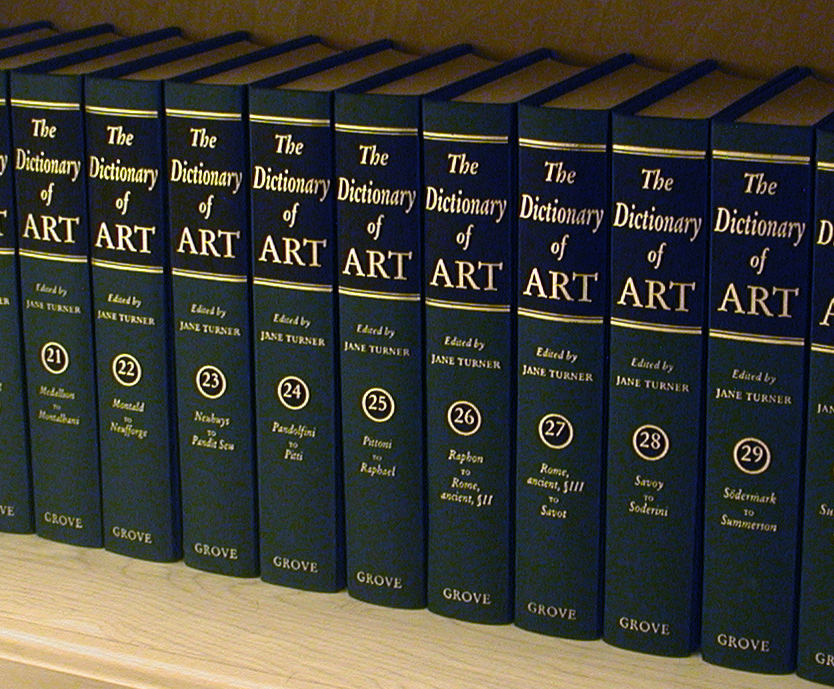
Among art reference works, The Grove Dictionary of Art is widely regarded as the gold standard and one of the most authoritative art encyclopedias in the world. Its reputation is built on scholarly depth, academic rigor, and truly global coverage. It features over:
- Over 3,000 peer-reviewed articles
- Written by leading art historians and subject-matter experts
- In-depth coverage of global art history
- Strong bibliographies for further research
It offers unparalleled insight into artistic movements, individual artists, materials, techniques, and cultural traditions across history.
What truly sets Grove apart is its commitment to comprehensive global art history, extending well beyond the Western canon to include diverse artistic traditions from around the world. Each entry is supported by carefully curated bibliographies, making it an invaluable starting point for deeper research and academic exploration.
Its research-oriented approach makes it an ideal resource for advanced students, educators, scholars and researchers who require reliable, well-documented, and academically sound information.
2. The Oxford Companion to Art
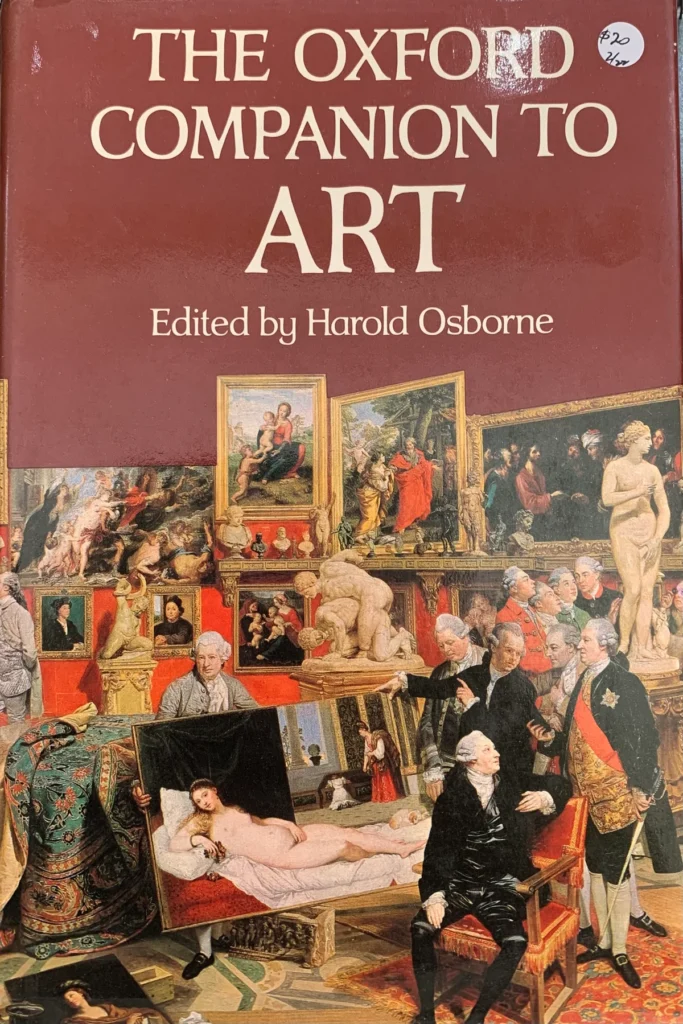
The Oxford Companion to Art offers an accessible yet academically rigorous introduction to the art world. It is useful for understanding essential art terminology, key concepts, major movements, and historical periods, along with concise artist biographies. Its strength lies in striking a thoughtful balance between clarity and scholarly credibility, making it suitable for both students and informed readers.
This is ideal for students, educators, and curious readers seeking a trustworthy guide to art concepts presented in a clear and approachable way, who want meaningful depth without academic overload.
3. Encyclopedia of Word Art
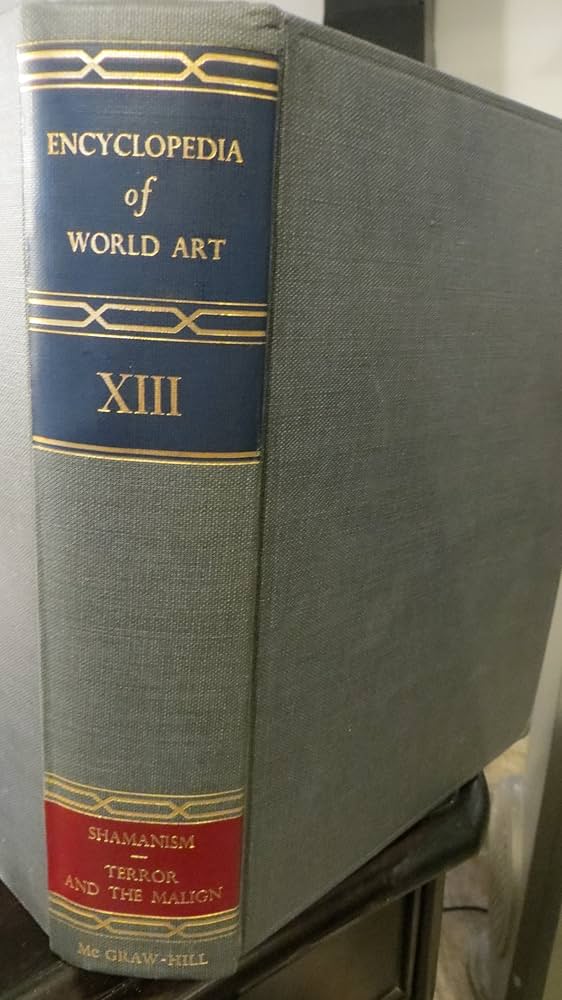
The Encyclopedia of World Art approaches art as a global human expression, placing strong emphasis on cultural diversity and artistic traditions across civilizations. It is particularly valued for its rich coverage of non-Western art, its careful attention to cultural and historical context, and its comparative perspective that traces continuity and exchange between societies over time.
By examining art within broader social, historical, and cultural frameworks, this encyclopedia is an excellent resource for readers interested in world art traditions and comparative art history.
Must Have Architecture Encyclopedias
1. Global History of Architecture (by Ching, Jarzombek & Prakash)
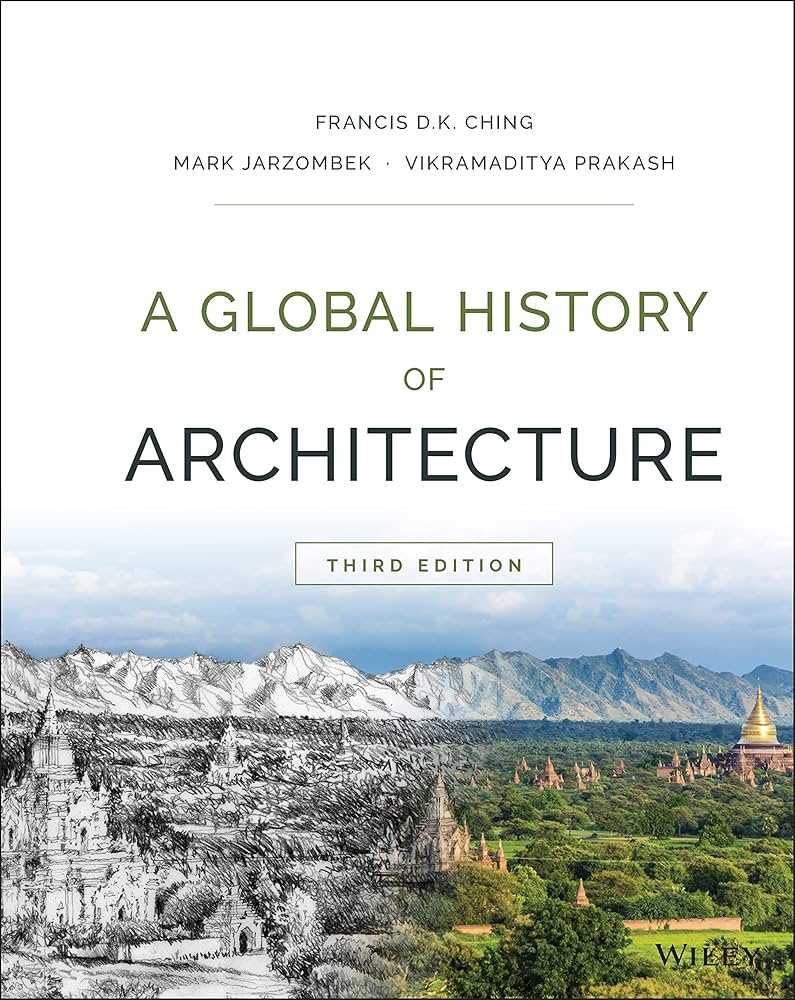
The Global History of Architecture by authors Ching, Jarzombek, and Prakash is a visually driven, thematic guide that, while not a traditional encyclopedia, effectively functions like one in its scope and structure. Readers appreciate its clear chronological and geographic organization, supported by visual timelines, diagrams, and a strong global narrative that traces the evolution of architectural design across cultures. With its engaging storytelling and emphasis on visual learning, it is especially ideal for beginners and visual learners.
2. Encyclopedia of Architecture: Design, Engineering & Construction
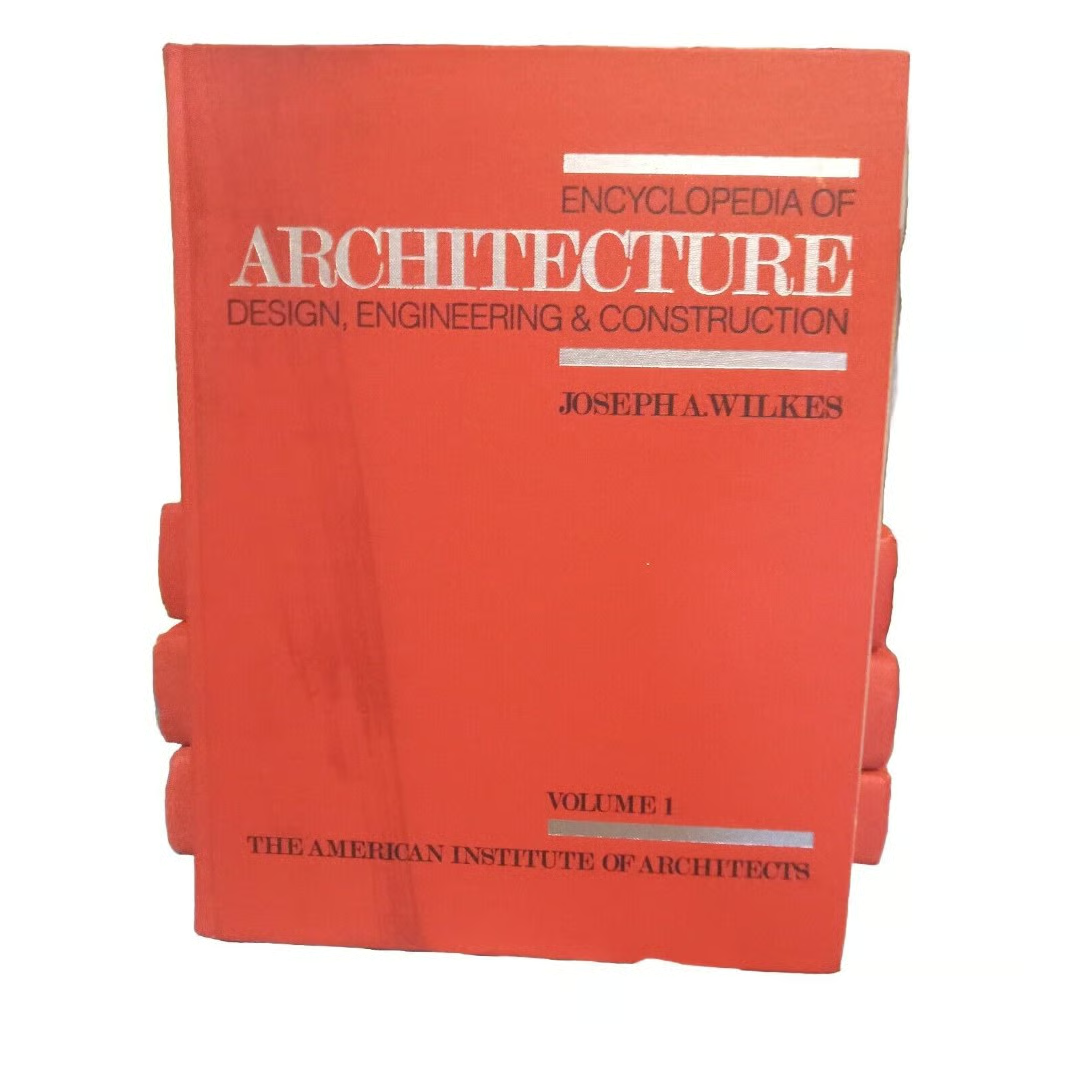
This encyclopedia is a technical, practice-oriented resource focused on the practical realities of architecture. It offers in-depth coverage of construction methods, materials, and engineering principles, making it particularly valuable for understanding professional architectural practice. This encyclopedia is useful for advanced students and practitioners seeking detailed, application-focused knowledge.
The Role of Thematic Encyclopedias in Visual Studies
Not all encyclopedias aim to cover everything. When your goal is focused exploration rather than a broad overview, thematic and genre-focused encyclopedias offer the depth that general references cannot. These works concentrate on specific movements, styles, or creative figures, allowing for richer philosophical, cultural, and historical insight.
Art movement encyclopedias delve into periods such as the Renaissance, Baroque, Modernism, Postmodernism, and Contemporary art, examining the ideas and cultural shifts that shaped them. Architectural style encyclopedias trace the evolution of forms and ideologies—from Gothic and Brutalist traditions to Modernist, Sustainable, and Parametric design. Biographical encyclopedias focus on artists and architects themselves, exploring their lives, influences, and creative journeys behind iconic works.
These encyclopedias are ideal for research and curiosity-driven individuals when learning within a specific genre or theme.
Who Should Use Them?
Art and architecture encyclopedias are valuable resources for anyone engaged in understanding, creating, or interpreting visual culture. They are especially useful for art and architecture students seeking authoritative foundations. Designers, interior designers, urban planners, and visual artists who draw inspiration from historical and cultural contexts.
These encyclopedias also serve as essential tools for educators and researchers, museum and gallery professionals, and writers, critics, and historians who require accurate, well-documented references. Beyond professional use, they are equally rewarding for curious readers with a deep interest in visual culture and the stories behind images, spaces, and structures.
If your work or passion involves seeing, designing, interpreting, or understanding how ideas take visual form, these encyclopedias belong on your shelf—or your screen.
How do they complement AI and Online Tools?
AI tools excel at speed and accessibility. They are ideal for discovering new topics, getting quick explanations, and navigating unfamiliar concepts. Encyclopedias, on the other hand, excel at reliability and depth. They are grounded in verified scholarship, peer-reviewed research, and carefully developed interpretations that stand the test of time.
While AI can efficiently summarise styles or define terms, encyclopedias provide the historical context, cultural nuance, and academic rigor that quick answers often lack. They help readers move beyond surface-level understanding to build accurate, lasting knowledge.
The smartest approach is not choosing one over the other, but using both strategically. Let AI support exploration and discovery, and rely on encyclopedias for verification, depth, and trust. Together, they form a smarter, more balanced learning ecosystem; one that values both efficiency and understanding.
How to Build Your Personal Art & Architecture Reference Library?
If you’re beginning your journey into art and architecture, one of the most effective ways to develop long-term visual literacy. A strong foundation begins with one comprehensive art encyclopedia that introduces major movements, artists, and ideas.
Add a global architecture encyclopedia to explore structural traditions, design philosophies, and regional influences. To support focused study, include a thematic or movement-based reference that aligns with your specific interests. Finally, include a digital reference platform for quick searches and easy access to contemporary updates.
Over time, this carefully chosen collection evolves into a personal archive of visual and intellectual knowledge—one that expands alongside your curiosity, deepens your perspective, and supports lifelong learning in art and architecture.
Final Thoughts
Art and architecture encyclopedias do far more than educate; they transform the way we see the world. They slow us down, encourage deeper observation, and connect ideas across time, culture, and belief. They remind us that creativity is never accidental; it is shaped by history, philosophy, and human experience.
In a world of fleeting content and quick answers, encyclopedias offer something increasingly rare: depth, continuity, and genuine understanding. They serve as carefully constructed maps of human creativity, helping us grasp not just what art and architecture look like, but why they exist and how they came to be. At Booksopedia, we believe that whoever is truly serious about art, architecture, or learning itself, this kind of informed understanding is essential and valuable.